(Rolling Stones, snarky British working-class version)
(Judy Collins, American populist left version, enough changes to make it a different song. "Salt of the Earth" starts halfway through the video--no better version, sorry.)
(Rolling Stones, snarky British working-class version)
(Judy Collins, American populist left version, enough changes to make it a different song. "Salt of the Earth" starts halfway through the video--no better version, sorry.)
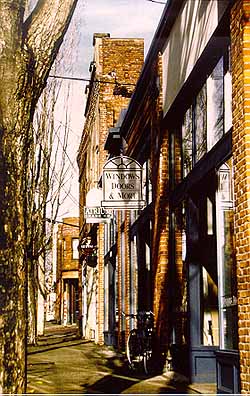
 1. A huge amount of fossil-fuel generated and electric energy is spent to heat and light buildings. Careful design, retrofitting of existing buildings, and siting of new buildings can reduce this by at least 90%. The use of incident solar energy - sunlight and heat is enormously effective. The big win here is what are called "hybrid" techniques, where active systems that use small amounts of energy are used to control passive systems to store and and direct large amounts of solar and geothermal energy. Daylighting and heating techniques are widely known; one that is less so is the geothermal heat pump, which is a highly-efficient cooling technique. There are houses in Maine that use entirely solar heat; there are houses in Louisiana that use geothermal heat-pumps for cooling. Clever design can reduce building energy use enormously, and many of these technologies save money, even at low energy prices. Links: Overview at Worldchanging. Brown and DeKay, Sun, Wind, and Light an excellent practical guide to passive techniques. Deparment of Energy on geothermal heat pump technology. US Department of Energy on photovoltaics.
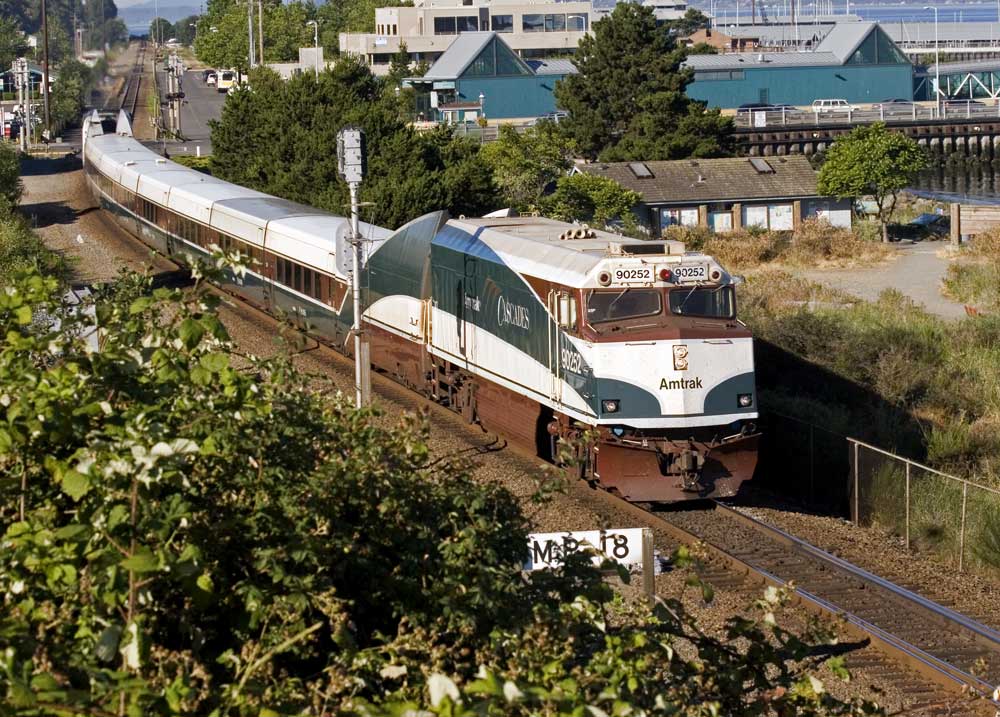
 4. Urban multi-modal transit. The amount of space required by the heavy use of automobiles is itself a huge cost, both in land and the energy required to develop it. Broadly, when there are enough people to use the systems, rail is both more efficient and much cheaper than buses. In local transportation, however, there are many uses where rail doesn't make a lot of sense--there's no energy advantage over an automobile with a family. Buses have the advantage of not needing dedicated rights-of-way, but are uncomfortable and more expensive to operate than rail systems. If a bus line is operating for more than 10 years, it makes sense to replace it with a streetcar.